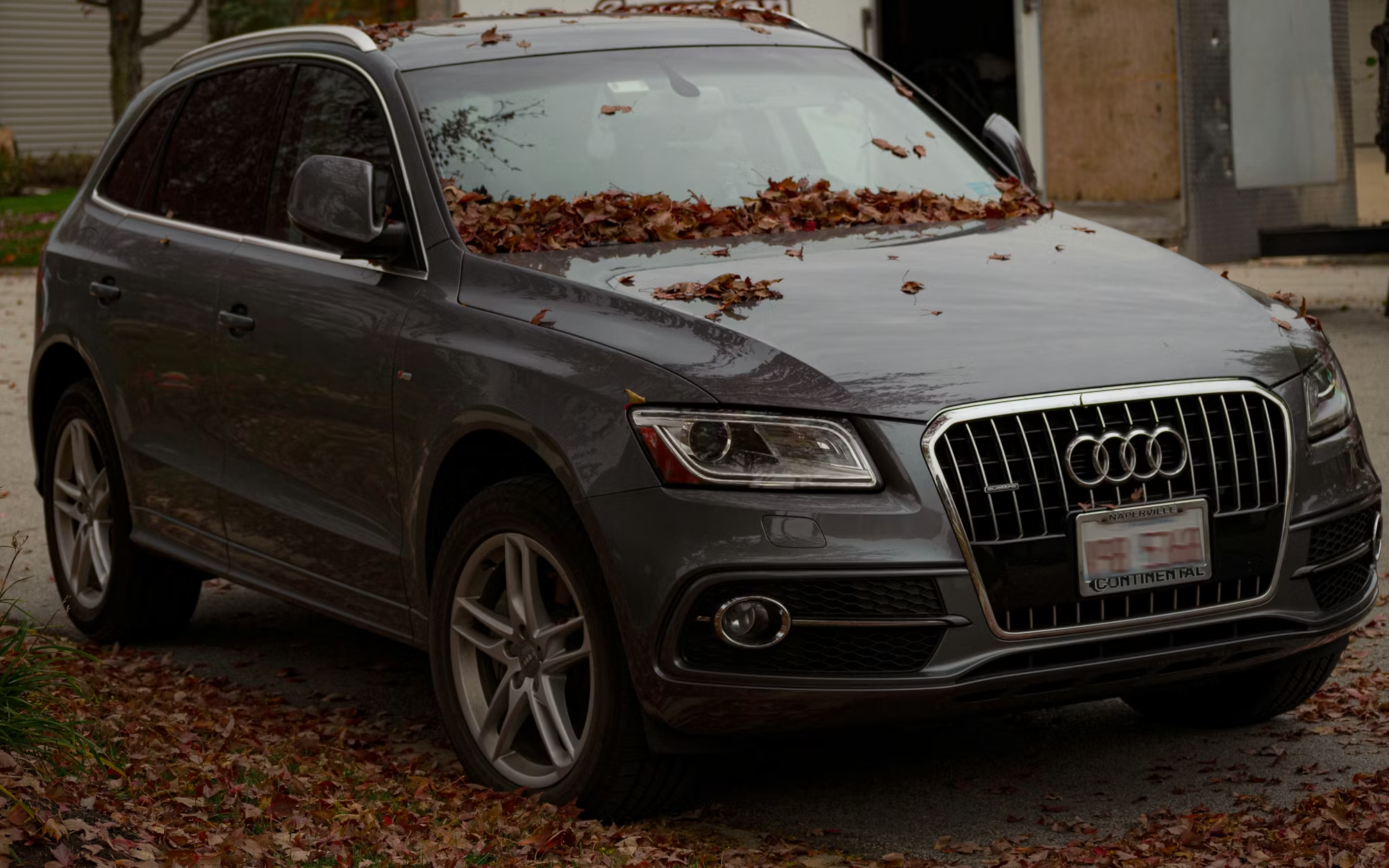
The Sport Utility Vehicle (SUV) has become one of the most popular vehicle choices for consumers across the globe. Known for their versatility, spaciousness, and advanced technology, SUVs cater to a wide array of needs, from family transportation to outdoor adventures. This article explores the various types of SUVs available today, their distinctive features, and the advantages they offer, helping consumers navigate their options in this dynamic market.\n\n The SUV Landscape: Understanding the Categories\nTo better understand the SUV market, it’s essential to categorize the different types of SUVs available. Each category serves a specific purpose and appeals to distinct consumer preferences, making it easier for potential buyers to find the right fit.\n\n1. Compact SUVs\nCompact SUVs, also known as subcompact SUVs, are smaller in size but still offer a balance of space and maneuverability. They are ideal for city driving and are designed for individuals or small families who require extra cargo space without the bulk of larger vehicles.\n\nExamples include the Honda HR-V, Mazda CX-30, and Toyota C-HR. These models often come equipped with the latest technology and safety features, making them a great choice for urban dwellers who prioritize efficiency and convenience. Their fuel economy is typically better than larger SUVs, making them an economical option for daily commuting.\n\n2. Midsize SUVs\nMidsize SUVs strike a balance between spaciousness and manageability. They provide ample room for families and larger groups without being overly cumbersome. These vehicles often feature three rows of seating and generous cargo space, making them perfect for family outings and road trips.\n\nPopular models in this category include the Ford Explorer, Honda Pilot, and Toyota Highlander. Midsize SUVs often come with advanced safety features, infotainment systems, and comfortable interiors, ensuring a pleasant experience for both drivers and passengers. They are versatile enough to handle everyday tasks while also providing the capacity for adventures.\n\n3. Full-Size SUVs\nFull-size SUVs are the giants of the segment, offering the most spacious interiors and cargo areas. Designed for larger families or those needing substantial towing capabilities, these vehicles often come equipped with powerful engines and advanced towing technologies.\n\nModels like the Chevrolet Tahoe, Ford Expedition, and GMC Yukon are prime examples of full-size SUVs. They typically feature three rows of seating, allowing for seven to nine passengers comfortably. With their robust frames and strong engines, full-size SUVs are also well-suited for off-road adventures and heavy-duty tasks.\n\n The Luxury SUV Market\nThe luxury SUV market has exploded in popularity, attracting consumers who seek high-end comfort and advanced technology. Luxury SUVs not only offer premium materials and finishes but also include cutting-edge features that enhance the driving experience.\n\n1. Features and Amenities\nLuxury SUVs, such as the BMW X5, Mercedes-Benz GLE, and Audi Q7, are equipped with features like heated and ventilated seats, high-quality audio systems, and advanced climate control. Many models offer customizable options, allowing buyers to personalize their vehicles according to their preferences.\n\nThese vehicles often incorporate the latest infotainment technologies, including large touchscreens, voice recognition, and seamless smartphone integration, making every drive enjoyable and convenient.\n\n2. Performance and Handling\nIn addition to luxurious interiors, performance is a significant selling point for luxury SUVs. Many come with powerful engine options, adaptive suspension systems, and advanced handling features that provide a thrilling driving experience.\n\n Crossover SUVs: The Best of Both Worlds\nCrossover SUVs combine the features of traditional SUVs with the handling and maneuverability of a car. They typically prioritize comfort and fuel efficiency, making them an appealing choice for everyday drivers.\n\nPopular models in this category include the Nissan Murano, Subaru Outback, and Hyundai Santa Fe. Crossovers are known for their smooth rides and often feature car-like handling, making them suitable for both city and highway driving. Their spacious interiors and cargo areas provide ample room for families and outdoor enthusiasts alike.\n\n Off-Road SUVs: Built for Adventure\nFor those who crave adventure and rugged terrain, off-road SUVs are specifically designed to tackle challenging landscapes. Equipped with features like four-wheel drive, enhanced ground clearance, and specialized suspension systems, these vehicles excel in off-road conditions.\n\nModels like the Jeep Wrangler, Toyota Land Cruiser, and Land Rover Defender are perfect examples of off-road SUVs. They provide the durability and capability needed for adventurous pursuits, making them popular among outdoor enthusiasts and those who enjoy camping, hiking, or off-road driving.\n\n Hybrid and Electric SUVs: The Future of Sustainable Driving\nAs the automotive industry moves towards sustainability, hybrid and electric SUVs are becoming increasingly popular. These vehicles aim to provide better fuel efficiency and reduced emissions while retaining the utility and comfort of traditional SUVs.\n\nModels like the Toyota RAV4 Hybrid, Ford Escape Hybrid, and Tesla Model X demonstrate how hybrid and electric technology can be seamlessly integrated into the SUV format. Consumers can enjoy the benefits of an SUV while contributing to a greener future.\n\n Performance SUVs: Power Meets Utility\nFor those seeking a thrilling driving experience, performance SUVs offer the best of both worlds: the spaciousness of an SUV combined with high-performance capabilities. Equipped with powerful engines and advanced handling features, these vehicles provide exhilarating acceleration and precise control.\n\nExamples include the Porsche Cayenne, BMW X5 M, and Mercedes-AMG GLE 63. These SUVs are designed for drivers who want the practicality of an SUV without compromising on performance.\n\n Choosing the Right SUV: Considerations for Buyers\nWhen selecting the right SUV, buyers should consider several key factors to ensure they choose a vehicle that aligns with their needs and lifestyle.\n\n1. Purpose and Use\nIdentifying the primary purpose of the SUV is crucial. Whether it’s for daily commuting, family trips, off-road adventures, or luxury travel, understanding how the vehicle will be used will help narrow down options.\n\n2. Budget\nBudget is always a significant consideration. Buyers should determine how much they are willing to spend on both the initial purchase and ongoing maintenance costs. It’s essential to research financing options, insurance rates, and fuel efficiency to make an informed decision.\n\n3. Features and Technology\nModern SUVs come equipped with a plethora of features, from safety technologies to infotainment systems. Buyers should prioritize which features are essential for their needs, whether it’s advanced safety features, cargo space, or connectivity options.\n\n4. Test Drives\nFinally, a test drive is an invaluable part of the purchasing process. It allows potential buyers to experience the vehicle firsthand, assessing comfort, handling, and overall fit for their lifestyle.\n\n Conclusion\nThe SUV market continues to expand and evolve, offering a diverse range of options to suit various consumer preferences. From compact SUVs designed for city dwellers to full-size models perfect for larger families, there’s an SUV for everyone. As innovation in technology and design continues, the future of SUVs promises even more exciting developments, ensuring that these versatile vehicles remain a popular choice for drivers around the world.
Exploring the Versatility of SUVs: A Comprehensive Guide
Categories:
Related Post

Exploring the World of Hybrid Vehicles: Efficiency Meets InnovationExploring the World of Hybrid Vehicles: Efficiency Meets Innovation
Dive into the realm of hybrid vehicles, their advantages, and how they represent a balanced approach

Exploring the Future of Renewable Energy: Trends and InnovationsExploring the Future of Renewable Energy: Trends and Innovations
This article examines the latest trends and innovations in renewable energy, highlighting its potent

Electric Vehicle Charging Infrastructure: Paving the Way for a Sustainable FutureElectric Vehicle Charging Infrastructure: Paving the Way for a Sustainable Future
An exploration of the critical role of charging infrastructure in the widespread adoption of electri