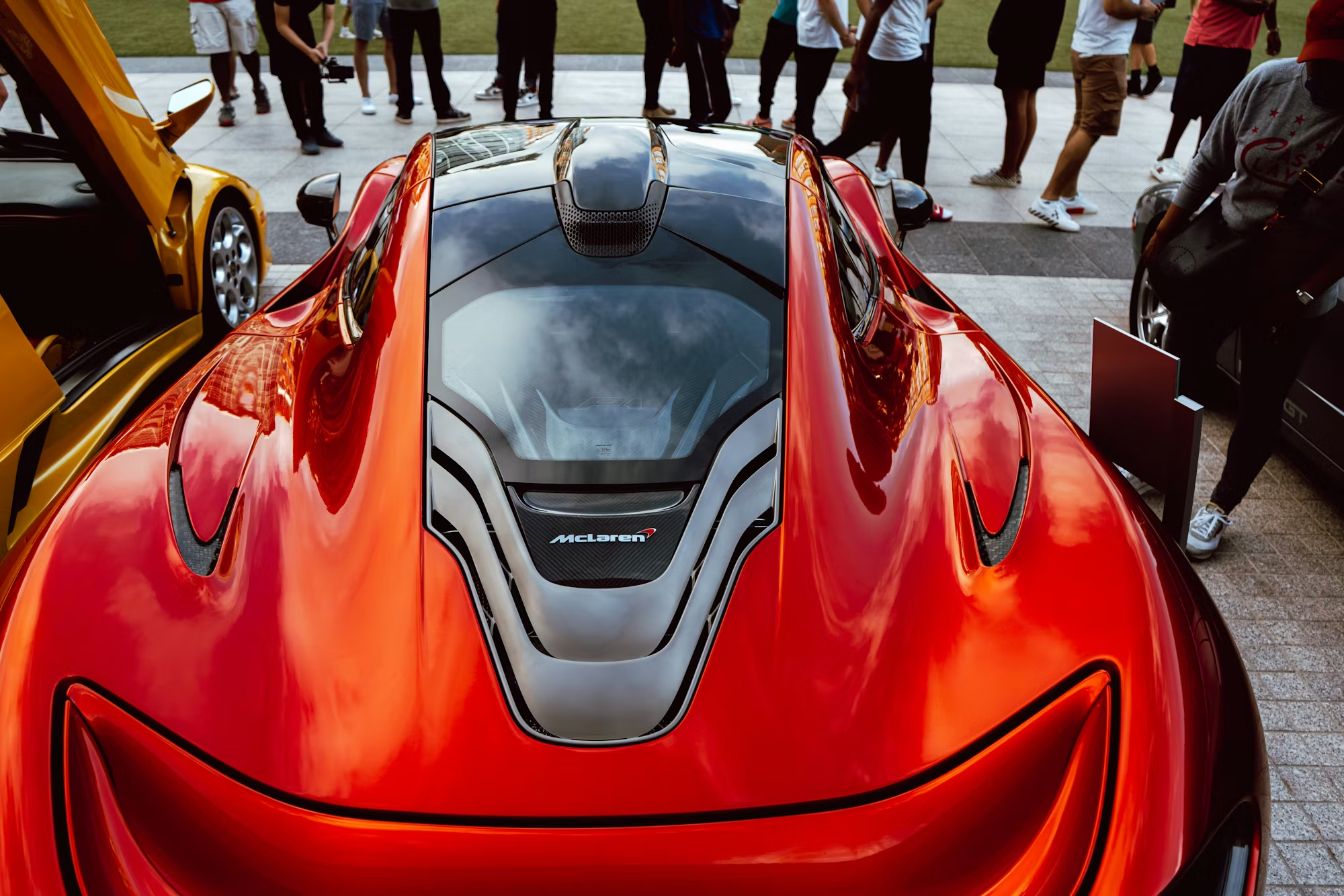
Supercars have long fascinated car enthusiasts and the general public alike, embodying a unique blend of speed, luxury, and cutting-edge technology. These high-performance vehicles not only push the limits of engineering but also serve as rolling works of art, reflecting the aspirations and innovations of their creators. In this article, we will delve into the world of supercars, examining their evolution, the technology that powers them, and the artistry behind their design.
The Evolution of Supercars
The concept of the supercar dates back to the 1960s, with iconic models like the Ferrari 250 GTO and the Lamborghini Miura setting the stage for what would become a celebrated automotive genre. The Miura, often hailed as the first true supercar, introduced a mid-engine layout that revolutionized performance dynamics. This innovative design philosophy prioritized weight distribution and handling, paving the way for future models that would define the supercar segment.
As technology advanced, so did the capabilities of supercars. The 1980s and 1990s saw the emergence of models such as the Bugatti EB110 and the McLaren F1, both of which showcased extraordinary engineering prowess. The McLaren F1, in particular, is often regarded as one of the greatest supercars of all time, boasting a lightweight carbon fiber structure and a top speed of 240 mph, a record that stood for years. Such innovations highlighted the potential of supercars to blend high performance with everyday usability, a theme that continues to resonate today.
Technological Innovations
At the heart of every supercar is an intricate interplay of technology and performance. Modern supercars are equipped with advanced features that enhance driving dynamics, safety, and efficiency. Take, for instance, the Porsche 911 Turbo S, which combines a powerful turbocharged engine with sophisticated all-wheel-drive technology. This synergy allows for remarkable acceleration and handling, providing drivers with an exhilarating experience that few vehicles can match.
Another notable example is the Ferrari SF90 Stradale, a plug-in hybrid supercar that merges a twin-turbocharged V8 engine with three electric motors. This combination not only delivers breathtaking speed but also improves fuel efficiency and reduces emissions, showcasing the industry’s shift towards more sustainable performance solutions. The SF90 Stradale exemplifies how supercar manufacturers are embracing hybrid technology to enhance both performance and environmental responsibility.
The Art of Design
While performance is a key aspect of supercars, their design is equally important. The aesthetic appeal of a supercar is often what captivates enthusiasts and collectors. Designers draw inspiration from various sources, including nature, architecture, and even art. The result is a vehicle that not only performs exceptionally but also turns heads wherever it goes.
Take the Lamborghini Huracán, for example. Its aggressive lines and distinctive front fascia embody the brand’s bold design language, making it instantly recognizable. The Huracán’s aerodynamic profile is not just for looks; it enhances downforce, allowing for better stability at high speeds. This harmonious blend of form and function is a hallmark of supercar design.
Similarly, the Pagani Zonda showcases the intricate craftsmanship that defines high-end supercars. Each Zonda is a bespoke creation, with attention to detail that elevates it beyond mere transportation. The use of exotic materials, such as carbon fiber and titanium, not only contributes to performance but also creates a visually stunning vehicle that reflects the owner’s personality. Pagani’s commitment to artistry and performance has cemented its status in the supercar world.
The Cultural Impact of Supercars
Supercars have transcended their role as mere vehicles, becoming symbols of status and aspiration. They frequently appear in movies, music videos, and advertisements, further ingraining them in popular culture. Films like The Fast and the Furious franchise have not only celebrated the thrill of speed but also introduced a new generation to the allure of supercars.
Moreover, supercars have become focal points in automotive events and gatherings. Events like the Monterey Car Week and the Goodwood Festival of Speed attract thousands of enthusiasts eager to see and experience these incredible machines up close. The sense of community among supercar owners and fans fosters a culture of appreciation and admiration, ensuring that the legacy of supercars continues to thrive.
The Future of Supercars
As we look to the future, the supercar landscape is poised for further transformation. The increasing emphasis on sustainability will undoubtedly shape the next generation of supercars. Manufacturers are investing in electric and hybrid technologies to meet evolving consumer demands and regulatory requirements.
Electric supercars, such as the Rimac C_Two, demonstrate that performance and sustainability can coexist. This all-electric hypercar boasts astonishing acceleration and cutting-edge technology, challenging traditional perceptions of supercar capabilities. As battery technology improves, we can expect more manufacturers to embrace electric drivetrains, creating a new era of supercars that prioritize both performance and environmental stewardship.
Conclusion
Supercars represent the pinnacle of automotive engineering and artistry. From their humble beginnings to the advanced machines we see today, they continue to captivate and inspire. As technology evolves and new design philosophies emerge, the future of supercars promises to be just as exciting as their past. With each new model, manufacturers push the boundaries of performance and design, ensuring that the spirit of supercars remains alive for generations to come.